



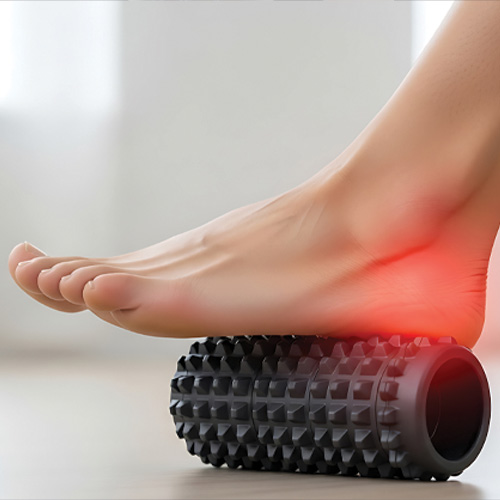
Is Your Foot Pain Plantar Fasciitis — Or Something Else?
When you’re dealing with foot or heel pain, everything can feel harder. You might have to cut your evening walk short or turn down that invitation to a music festival since being on your feet for hours is too uncomfortable.
There is some good news, though: physiotherapy can absolutely help manage foot pain. However, it’s important that you determine the specific cause of your pain to ensure you get the care you need.
For example, many people with foot or heel pain automatically assume they have plantar fasciitis. While that condition is common, it’s not the only source of foot discomfort. Several less well-known conditions can cause similar symptoms. Let’s take a closer look.
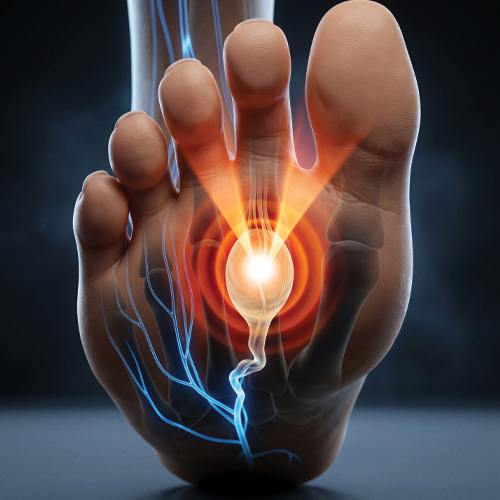
Understanding Plantar Fasciitis
There’s a thick band of connective tissue that runs along the bottom of your foot called the plantar fascia. It supports your arch and acts as a crucial stabilizer when you’re running or walking.
Plantar fasciitis develops when this tissue is underprepared for the cumulative load placed on it and becomes irritated. This means your symptoms will generally develop over time rather than from one specific injury. It’s common in:
- Runners
- Active adults
- People who stand for long hours
- Individuals with tight calf muscles
- People wearing unsupportive footwear
Signs Your Foot Pain May Be Plantar Fasciitis
- Sharp pain near the bottom of the heel
- Pain during the first few steps in the morning
- Symptoms that improve slightly after moving around
- Increased pain after long periods of standing
- Heel discomfort after exercise rather than during it
- Tightness in the calf or arch of the foot
How Does Physiotherapy Help?
When treating plantar fasciitis, our team typically focuses on improving strength and movement patterns that may be contributing to stress on the foot. This usually involves progressive high-load strength training for the calf and foot muscles, along with manual therapy to improve joint and soft-tissue mobility.
Depending on your needs, we might also recommend managing loading to maintain tissue health, footwear changes, taping, and temporary activity modifications to reduce strain while the tissue heals.
Other Foot Pain Conditions to Consider
Achilles Tendinopathy
This condition occurs when the Achilles tendon (along the back of the heel) becomes damaged, usually due to repetitive movements.
Signs and Symptoms
- Pain in the back of the heel
- Morning stiffness
- Tenderness during running or climbing stairs
Heel Fat Pad Syndrome
The heel contains a natural cushion that absorbs force during walking. Degeneration in this area can lead to discomfort.
Signs and Symptoms
Pain may:
- Feel deep or bruised
- Worsen on hard surfaces
- Increase with prolonged standing
Tarsal Tunnel Syndrome
This condition occurs when a nerve becomes compressed by a structure near the ankle.
Signs and Symptoms
- Burning pain
- Tingling or numbness
- Pain that travels into the arch or toes
Stress Fractures
Stress fractures are small cracks in the bone caused by repetitive loading. They tend to develop after sudden increases in activity.
Signs and Symptoms
- Sharp localized pain or tenderness
- Swelling
- Pain that worsens with impact activity
Arthritis
Arthritis can affect joints in the foot and ankle.
Signs and Symptoms
- Joint stiffness
- Swelling
- Aching pain
Working with South Sherbrook Therapy to Address Foot Pain
One of the easiest ways to determine the source of your foot pain is to schedule an appointment with our team! Our physiotherapists will perform a comprehensive assessment to determine which structures are involved and which factors may be contributing to the symptoms.
From there, we’ll create a personalized care plan tailored to your condition and recovery goals. This might involve:
- Manual therapy
- Mobility work
- Taping support
- Strengthening exercises
- Activity modification strategies

Don’t Ignore Ongoing Foot Pain
Foot pain can affect exercise, work, and daily movement. Early treatment with South Sherbrook Therapy can help you understand your symptoms and prevent them from becoming more persistent.
Book your appointment today to receive a personalized plan designed to help you move comfortably again.
👣 Foot Pain: Myth or Fact?
Test your knowledge about plantar fasciitis and other common causes of foot pain.
Follow Us on Social Media!
July Word Search
Canadian Summer Edition
Find These Words
Your Shoes Could Be the Missing Link
The wrong footwear can quietly contribute to foot pain, instability, and even problems up the kinetic chain.
Are Your Shoes the Cause of Your Foot Pain?
Who doesn't love a great pair of shoes? While they may complete the perfect outfit, your footwear can also play a major role in your foot health. Wearing shoes that don't properly support your feet can contribute to pain, discomfort, and even problems that extend to your knees, hips, and back.
At South Sherbrook Therapy, our physiotherapists can determine whether your shoes are contributing to your symptoms and help you find solutions that keep you comfortable and active.
Choose the Right Fit
Shoes should fit comfortably without squeezing your toes or limiting natural movement.
Avoid Pointed Toes
Narrow toe boxes can increase joint stress and contribute to long-term foot pain.
Limit High Heels
Heels shift body mechanics forward and increase stress on feet, ankles, and back.
Prioritize Comfort
Supportive shoes help your body move naturally and reduce strain with every step.
Signs Your Shoes May Be the Problem
- Foot pain after walking or standing
- Toe numbness or pressure
- Ankle instability or rolling
- Repeated blisters or friction spots
How Physiotherapy Can Help
- Gait and movement analysis
- Footwear and support evaluation
- Strength and mobility training
- Pain reduction strategies
Take the First Step Toward Pain-Free Walking
If your shoes—or something else—are contributing to your foot pain, our team at South Sherbrook Therapy can help identify the cause and build a plan to get you moving comfortably again.
ISOMETRIC ANKLE EXERCISE
Ankle Stability • Strength • Control
Slowly push your foot against an immovable object in four directions of ankle movement: inward, outward, upward, and downward. Hold each contraction for 5 seconds while keeping the movement controlled and pain-free.
Track Your Sets
Thank You For Subscribing!

Cool off with these delicious strawberry & banana popsicles, a refreshing homemade treat bursting with fruity flavor and creamy goodness. They’re easy to make, naturally satisfying, and perfect for enjoying on a warm summer day!
Enjoy This Seasonal Healthy Recipe!
Strawberry & Banana Popsicles
- 1 pound strawberries, washed and stems removed
- 1 large, ripe banana
- 1/2 cup vanilla yogurt
- 1/2 cup milk
- sugar to taste (optional: let the fruit do the work instead!)
Add the strawberries, banana, milk, and yogurt to the bowl of a food processor or blender and blend until smooth. Taste and add sugar if needed, depending on the ripeness of your fruit and your taste preferences. Pour the liquid into popsicle molds (or even paper cups), insert the handles, and freeze until firm, generally overnight. Enjoy frozen the next day.