



How to Know When You’re Ready to Return to Sport After ACL Surgery
You’ve been consistently rehabbing since your ACL surgery, and things are looking good. Your pain has reduced, your strength is steadily improving, and you’re ready to get back to your sports training schedule.
We know how eager athletes are to return to their pre-injury routines. But returning to sport too soon after an ACL repair can increase the risk of reinjury, especially in the first year after surgery.
That’s why part of the job of the South Sherbrook Therapy team isn’t just checking to see if you can play, but to ensure you’re ready to play safely and confidently.
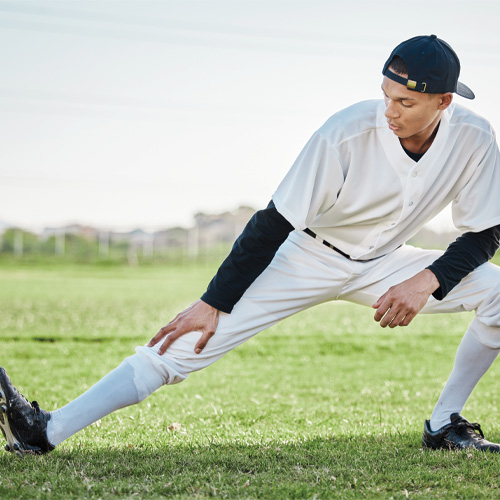
ACL Surgery For Athletes: What to Know
It’s common for athletes to opt for ACL reconstruction surgery after an ACL tear. The ACL (anterior cruciate ligament) is crucial for key sports-related movements like cutting, pivoting, and sudden stops. Often, an ACL reconstruction is the best way to restore crucial knee stability, allowing athletes to safely return to sport.
However, structured rehabilitation after an ACL surgery is an essential part of the process, helping to:
- Restore strength and control in the muscles around the knee and hip
- Rebuild movement patterns needed for sport-specific tasks
- Address compensation patterns that might cause long-term issues
- Improve joint awareness, which helps your body react quickly and safely
- Reduce reinjury risk, which remains elevated without proper conditioning
Rehab doesn’t just help with physical recovery, though. It also provides a structured environment to rebuild confidence, an often overlooked factor that directly affects performance and injury risk.
Strategies That Support a Safe Return
Progressive Strength Training
Builds muscle capacity to support the knee during high loads
Neuromuscular Training
Improves coordination and timing between muscles
Plyometric Exercises
Helps restore explosive power and safe landing mechanics
Agility and Sport-Specific Drills
Gradually reintroduces cutting, pivoting, and directional changes
Load Management
Ensures training volume increases safely over time

A Return-to-Sport Checklist from the South Sherbrook Therapy Team
Here are some of the key factors our team considers when helping athletes decide whether they’re ready to get back in the game.
Are You Physically Ready?
We clear you for sports based on function and performance, regardless of how long it’s been since your surgery. Here are some of the key physical markers we look at.
Strength Symmetry
- Your injured leg should reach at least 90% strength compared to the uninjured side, including the quadriceps and hamstrings. Weakness in these areas is linked to poor knee control and a higher risk of reinjury.
Single-Leg Control
- You should be able to perform movements like single-leg squats, step-downs, and controlled landings without inward knee collapse.
Dynamic Movement Quality
- You should be able to demonstrate consistent lower extremity alignment, joint control, and force absorption during jumping, cutting, or deceleration movements.
Endurance and Fatigue Resistance
- You should tolerate sport-like activity for long periods of time without a breakdown in form, as late-game fatigue increases injury risk.
Are You Mentally Ready?
Physical recovery is important, but it’s only part of the picture. Psychological readiness strongly influences return-to-sport success. We look for:
Confidence in Your Knee
- You should trust your knee during high-demand movements, experiencing no hesitation with cutting or jumping.
Low Fear of Reinjury
- Fear can alter movement patterns, increasing your risk of injury. Athletes who feel hesitant often unconsciously limit their performance.
Focus and Reaction Time
- You should be able to react quickly without second-guessing movements, and any decision-making under pressure should feel natural.
Consistency in Performance
- You should be capable of repeating movements at game intensity without variability, with your confidence holding even under fatigue.

We’re Here to Help You Progress with Purpose
Returning to sport after an ACL injury is a lengthy process that requires strength, control, confidence, and consistency to all align. Rushing this stage can set you back.
Taking the time to meet clear physical and mental benchmarks gives you the best chance to perform at your previous level.
If you recently had ACL surgery and are working toward a return to sport, the South Sherbrook Therapy team can guide you through each stage with a personalized, evidence-informed plan. Book an assessment today and make sure your return to sport is built on a strong foundation.
ACL Return-to-Sport True or False Challenge
Test your readiness knowledge before returning to sport 🏃♂️💪
Follow Us on Social Media!

Family-Friendly Spring Activities
Try a New Outdoor Sport
As it begins to warm up, try picking up a new outdoor sport such as biking, rollerblading, hiking, golfing, fishing, or kayaking. These are all fun things you can do to get your blood pumping and introduce more physical activity into your routine after sitting at home for so many months!
Visit an Outdoor Farmers Market
If you love fresh and locally grown fruits and vegetables, a farmers market might be right up your alley! Visiting an outdoor farmers market gives you a chance to get some fresh air and hand-select the best produce, jams, preserves, and jellies for you to take home to try.
Go See a Drive-In Movie
This is a great spring activity, especially because you can roll down your windows and enjoy a nice breeze as you watch on the big screen. You could even invite people outside of your household to park their car near yours so you can watch it together.
Break Out the Gardening Tools
Do you love gardening and growing your vegetables, herbs, and flowers? If so, spring is calling your name! It’s time to roll up your sleeves and get your knees dirty in the backyard. Gardening is a great spring activity that provides some physical activity, and an excuse to get fresh air. Make sure to start with great soil and research the types of flowers and foods that grow the best in your climate.
Take a Scenic Drive
So many parts of nature come back to life in the spring, so why not take a scenic drive now and then to get out of the house? Try getting off the interstate and going the long way around to see some trees, fields, or parks – just make sure you have a GPS or know how to get home safely!
Make the Most of this Spring
We all deserve to enjoy spring for what it is: a new beginning. Try some of these fun activities to add a bit of joy to your daily routine!
May Word Scramble
edaldnnoi
nhiigfs
uuasrt
prsnig
eskbta
lveendar
Answer Key
dandelion
fishing
taurus
spring
basket
lavender
Heel Slides (Long Sit)
Sit on the floor with both legs extended and your back flat. Loop a strap around your foot on the injured leg and place a towel under your heel. Slowly pull your heel toward your butt using the strap until you reach a comfortable range. Then slowly slide your heel back out until your leg is straight.
Track Your Sets:
Thank You For Subscribing!

Ingredients
- 6 Tbsp unsalted butter, melted
- 1 Tbsp honey
- 1/4 tsp kosher salt
- 1 bunch asparagus, trimmed
- 1 Tbsp olive oil
- All-purpose flour
- 2 sheets puff pastry
- 12 slices prosciutto
- 1 (8-oz.) Brie, cut into 12
- 1 large egg
- Black pepper
Instructions
- Preheat oven to 400°F and line baking sheets.
- Mix butter, honey, and salt in a bowl.
- Toss asparagus with olive oil.
- Roll puff pastry into rectangles and cut into 12 squares.
- Brush with butter mixture and layer prosciutto.
- Add asparagus and Brie.
- Fold pastry, seal with egg wash, and season.
- Bake ~15 minutes until golden and melted.
- Brush with remaining butter mixture before serving.