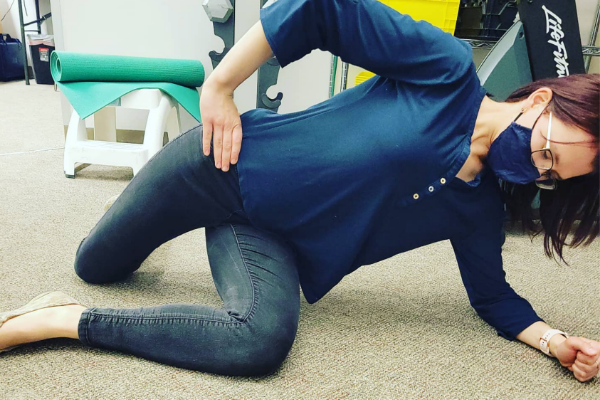

Surgery may repair or replace a structure, but healing is only one part of getting back to everyday life. Strength, mobility, balance, and endurance may still need time and training to improve. Long-term recovery post-surgery can involve several stages of physiotherapy, with each stage shaped by the procedure, healing timeline, medical guidance, and activities you want to return to.
If surgery has left a gap between what you can currently do and what daily life requires, South Sherbrook Therapy can assess your function and help determine appropriate rehabilitation goals.
Healing and Functional Recovery Are Different
After surgery, tissues need time to heal. The length of this process varies greatly depending on the procedure and the structures involved. At the same time, periods of reduced activity can affect muscle strength, joint movement, endurance, and coordination. You may be medically cleared to perform an activity but still find that it feels difficult.
Physiotherapy helps address these functional changes while respecting precautions from your surgeon or healthcare team.
Why Recovery Does Not Follow One Timeline
It is tempting to compare your recovery with someone who had a similar operation. However, rehabilitation does not follow the same schedule for everyone. Progress can be influenced by:
- The type and extent of surgery
- How tissues are healing
- Your health and activity level
- Surgical precautions
- Your strength and mobility before surgery
- The demands of your work, hobbies, or sport
With long-term recovery post-surgery, rehabilitation decisions should be based on your individual progress rather than an arbitrary deadline.
What Long-Term Recovery Post-Surgery Can Involve
Early rehabilitation may focus on basic movement and completing daily activities within your post-operative precautions. Later stages often require more challenging exercises. Depending on the surgery, physiotherapy may gradually address:
- Joint range of motion
- Muscle strength
- Balance and coordination
- Walking or stair tolerance
- Cardiovascular endurance
- Lifting and carrying
- Work or recreational activities
Exercise progression should respect tissue healing. Doing more is not automatically better, especially when your body is not yet ready for a higher workload.
Why Strength Matters Beyond the Early Stages
Strength can take longer to rebuild than many patients expect. Even when pain and swelling have improved, the muscles around the surgical area may not yet have returned to the capacity needed for demanding tasks. Progressive strengthening places increasing demands on the body as it becomes ready for them.
For example, walking around the house after knee surgery requires much less capacity than working an eight-hour shift, hiking, or returning to recreational sport. Long-term recovery post-surgery should account for those later demands rather than stopping once basic daily tasks are manageable.
Measuring Progress Beyond Pain
Pain is only one part of recovery. Having less pain does not necessarily mean strength, mobility, or endurance has fully returned. Your physiotherapist may also track:
- How far or long you can walk
- Your ability to use stairs
- Changes in strength
- Balance during functional tasks
- Tolerance for lifting or carrying
- Ability to perform movements required for work or recreation
These measures can provide a clearer picture of what has improved and what still needs attention.
Preparing for Work, Recreation, and Sport
Long-term rehabilitation should reflect where you are trying to go. Someone returning to office work may need to build tolerance for sitting and commuting. A tradesperson may need to prepare for lifting, kneeling, climbing, or working overhead. An athlete may eventually require running, jumping, power, or change-of-direction training.
For this reason, long-term recovery post-surgery becomes increasingly specific as you move toward higher-level activities.
Keep Building Beyond the Early Milestones
Finishing the early stages of rehabilitation does not always mean your body is ready for every demand you want to place on it. Continuing appropriate exercise can help build the capacity required for the next stage of daily life.
If you have moved beyond the early healing phase but still feel limited by strength, mobility, or endurance, speak with South Sherbrook Therapy about developing the next stage of your post-operative physiotherapy programme.