

How Physiotherapy Can Help You Find Better Balance and Stability
Stand and Walk With Confidence And A Sure Step
Do you ever feel unsteady on your feet? Have you noticed it’s getting harder to navigate stairs or uneven surfaces? Maybe you’ve even had a close call or two, and now you’re worried about falling.
Feeling nervous about falling is reasonable, especially if you’re older. Falls are one of the most common causes of injury and hospitalization among older adults, although they can impact younger people, particularly if they’re recovering from surgery or injury. Furthermore, balance challenges can dramatically impact your quality of life, making it tough to stay active and independent.
At South Sherbrook Therapy, we understand your concern. However, we also want to make it clear that falls are not an inevitable part of aging! There are steps you can take to enhance your overall balance and stability, which can help keep you on your feet for years to come. Even better, you don’t have to do it alone. Our team of movement specialists is here to help.

Why Do We Need Balance And Stability?
Firstly, balance and stability aren’t the same thing, although they are connected:
- Balance is the ability to maintain your center of gravity over your base of support. Essentially, it means you can stay upright.
- Stability is the ability to resist forces that threaten to disrupt balance, such as a bump in the sidewalk or a playful nudge from a grandchild.
To reduce your risk of falls, you want to enhance both of these factors. Standing on one foot might mean you have good balance, but if you have poor stability, it won’t necessarily protect you from falling.
How Do I Know If I Need to Work on Balance And Stability?
Many factors can contribute to balance and stability problems, including the following:
- Age-related decline in muscle strength, mobility, and reaction time
- A history of falls
- Medical conditions that affect mobility, such as arthritis
- Inner ear disorders (which often cause dizziness and vertigo)
- Neurological conditions like stroke or Parkinson’s disease
- Vision challenges
- Certain medications
Generally speaking, if you’re experiencing symptoms like feeling unsteady or dizzy, frequent falls or near falls, difficulty walking or turning, or needing to use furniture or walls for support, reach out to South Sherbrook Therapy. We’ll help you develop a program that addresses your specific needs.
How Physiotherapy Helps Enhance Balance And Stability
Physiotherapy addresses the underlying factors contributing to your balance or stability challenges. That’s why our team will also begin with a thorough evaluation to help us understand the reasons for your fall risk.
We’ll discuss your health history, evaluate your balance, strength, and movement patterns with a few simple movement screens, and learn more about your concerns. That way, we can blend various treatment techniques to create a unique, effective treatment program.
Some of these techniques might include:
Strength Training
- Good core and lower body strength are essential for enhanced stability. A strong core, in particular, helps stabilize your body so you can stay on your feet.
Balance and Proprioceptive Training
- This technique focuses on improving your body’s awareness of its position in space. By challenging your balance with exercises on unstable surfaces or with your eyes closed, you can retrain your body to react more quickly and efficiently to changes in your environment.
Gait Training
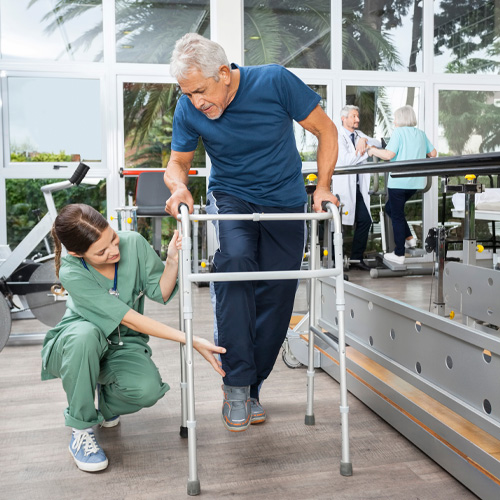
- An impaired walking pattern can affect your balance and increase your risk of falling. If necessary, we’ll help correct these impairments with personalized, targeted exercises.
Vestibular Rehabilitation Therapy (VRT)
- If you’re struggling with vestibular dysfunction, we’ll guide you through specific exercises that retrain your brain to understand signals from your inner ear and improve balance.
Functional Activities
- We’ll teach you how to execute functional activities, like walking, turning your head while walking or standing, reaching for something on a shelf while standing, and carrying objects.
Take the First Step Towards Better Balance
Ready to take charge of your balance and regain your confidence? The South Sherbrook Therapy team is here to help you achieve your goals.
Call us today to schedule your first appointment and take the first step towards a more stable and active future.
August Word Scramble
laatrioenx
kbaracyd
mrmesu
aicgmnp
aryopunldg
fosrnwlue
Answer Key
relaxation
backyard
summer
camping
playground
sunflower

Kayaking and Paddleboarding with a Healthy Twist
For a safe and body-friendly kayaking or paddle boarding experience, keep these practical strategies in mind:
- Mindful Paddling: Prioritize good posture and technique. Engage your core, maintain a straight back, and use your legs to generate power. This distributes the effort evenly, reducing strain on your shoulders and back. Using proper form enhances your performance and safeguards against overuse injuries.
- Full-Body Effort: Think of kayaking and paddleboarding as whole-body workouts. Involve your legs, core, and back in every stroke, not just your arms. This balanced approach lessens the risk of muscle imbalances and discomfort.
By incorporating these principles into your water adventures, you’ll have a blast on the water and take care of your body. Kayaking and paddleboarding can be both enjoyable and body-friendly when you paddle smart.
Exercise of the Month
ONE LEG BALANCE
With your hands on the back of a chair, countertop, or wall, slowly lift your uninjured leg upward behind you so that your weight lies on the leg with the injured ankle. Hold this position for 20 to 30 seconds and gradually progress to more seconds as you get stronger.
2 Sets, 1 Rep. (Materials needed: chair)
Thank You For Subscribing!

Enjoy the deliciously caramelized flavors of Roasted Brussels Sprouts & Carrots—a simple, wholesome side dish that pairs perfectly with any meal. With just the right touch of seasoning and roast, it’s a crowd-pleaser even for veggie skeptics!
Enjoy This Seasonal Healthy Recipe!
Roasted Brussels Sprouts & Carrots
- 3/4 lb. Brussels sprouts, trimmed and halved
- 2 large carrots, peeled and sliced into 1/2” pieces
- 2 tbsp. extra-virgin olive oil
- 1 tbsp. balsamic vinegar
- 1 tsp. chopped rosemary leaves
- 1 tsp. chopped thyme leaves
- Kosher salt
- Freshly ground black pepper
- 1/2 c. toasted pecans
- 1/2 c. dried cranberries
Preheat oven to 400°F. Scatter vegetables on a large baking sheet. Toss with oil, balsamic vinegar, rosemary, and thyme. Season with salt and pepper. Bake for 20 to 25 minutes, until the vegetables are tender, shaking the pan halfway through. Before serving, toss roasted vegetables with pecans and cranberries. In a large bowl, toss vegetables with oil, balsamic vinegar, and herbs. Season with salt and pepper. This dish is perfect as a vegetable side dish for the holiday season.