


Could Sleep Be the Missing Ingredient In Your Recovery?
You’re trying your best to stay consistent by doing your at-home exercises and attending your physiotherapy sessions. And yet it doesn’t feel like you’re making any headway.
Sound familiar? The team at South Sherbrook Therapy knows how frustrating this experience can be, which is why we’ll always work with you to figure out what could be causing your difficulties. While a challenging recovery and persistent pain can occur for a number of reasons, there’s one that often surprises people: poor sleep.
The Connection Between Sleep and Persistent Pain
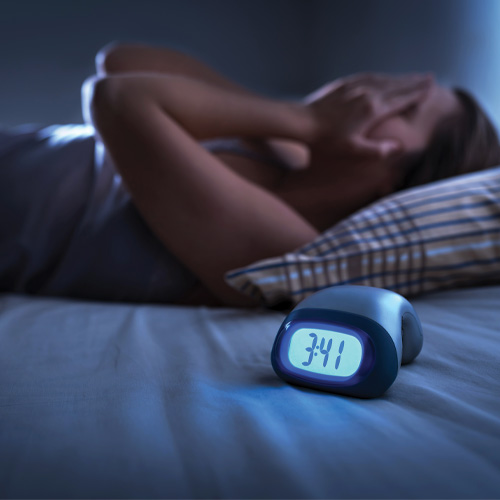
Sleep and pain have a two-way relationship. Even one night of poor sleep can have an impact. Here’s why:
Your nervous system becomes more reactive when you’re sleep-deprived.
As a result, movements that should feel manageable may feel sharper or more intense. Over time, this heightened sensitivity can cause pain to linger longer than expected.
Recovery occurs while you’re sleeping.
During deep sleep, your body releases a growth hormone that supports muscle repair, tissue rebuilding, and cellular restoration. If deep sleep is interrupted, your body misses an important window for healing, delaying your overall recovery.
Stress compounds the problem.
When your body is under stress, it releases cortisol, a hormone that prepares you for action. While helpful in short bursts, elevated cortisol over long periods interferes with tissue repair and increases muscle tension. This creates a cycle: Poor sleep increases pain, which raises stress levels, further disrupting sleep. Breaking this cycle is critical for lasting improvement.
Why Sleep Makes Physiotherapy More Effective
Physiotherapy works by creating a stimulus for change. Therapeutic exercises place a small amount of controlled stress on your muscles and connective tissue. Your body responds by rebuilding those tissues stronger and more resilient.
However, that rebuilding process happens during recovery, especially during sleep. If you get insufficient rest, your muscles don’t repair efficiently, your tendons remain irritated, and your inflammation can persist. Worst of all, progress may feel slow despite consistent effort.
Sleep also strengthens motor learning, which is your brain’s ability to store and refine new movement patterns. As you work on posture correction, balance training, or improving how you walk, sleep helps your brain solidify those changes.
Physiotherapy Techniques That Support Restful Recovery
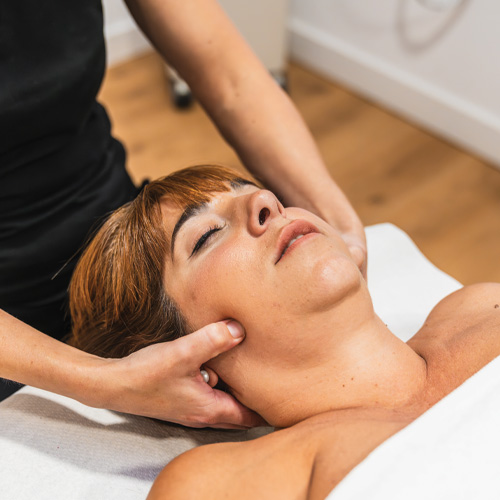
When you receive care from South Sherbrook Therapy, our team works to develop a personalized care plan to address both short- and long-term concerns. This may include:
- Manual therapy to reduce stiffness
- Therapeutic exercise to restore strength and stability
- Education on posture and ergonomics
- Progressive strengthening to restore function
Each technique helps lower mechanical stress on tissues. As pain decreases, sleep typically improves. As sleep improves, pain decreases further.
As you can see, it all works together.
Simple Strategies to Improve Sleep During Recovery
Set a Consistent Sleep Schedule
Go to bed and wake up at the same time daily to help regulate your body’s internal clock.
Reduce Evening Stimulation
Avoid screens 60 minutes before bed, as they can interfere with melatonin, the hormone that signals sleep.
Physically Support Your Body
Depending on the location of your pain, a carefully-placed pillow can help reduce joint strain. For example, you can place a pillow between your knees when side sleeping or use a small pillow under your knees when lying on your back.
Calm Down Before Bed
Light stretching or breathing exercises calm the nervous system. Slow diaphragmatic breathing lowers heart rate and reduces stress hormones.
Manage Pain In the Evening
We can help you identify an at-home pain management technique that can help lower pain before bed. For example, a heating pad can relax tight muscles.
Exercise Earlier in the Day
Regular physical activity improves deep sleep. Try to finish higher-intensity sessions at least three hours before bedtime.

Give Your Body the Sleep It Needs
If your progress feels slower than expected, it may be worth examining your sleep habits. Healing requires effort, but it also requires restoration–and that happens best when you’re getting seven to nine hours of sleep each night.
And remember, the team at South Sherbrook Therapy is always here to help. We always look at the full picture, including movement patterns, stress levels, and recovery habits. Schedule your appointment today and let’s help your body rest, repair, and return to what matters most.
February Word Scramble
lotacehoc
eeanlnitv
bauefrry
iprdinehfs
iwentr
aceornm
Answer Key
chocolate
valentine
february
friendship
winter
romance
Exercise & Mental Health
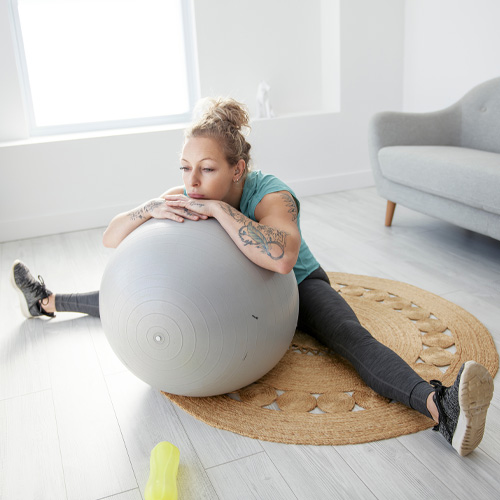
Everyone knows that regular exercise is good for the body. But exercise is also one of the most effective ways to improve your mental health. Regular exercise can have a profoundly positive impact on depression, anxiety, ADHD, and more. It also relieves stress, improves memory, helps you sleep better, and boosts overall mood. And you don’t have to be a fitness fanatic to reap the benefits. Research indicates that modest amounts of exercise can make a difference. No matter your age or fitness level, you can learn to use exercise as a powerful tool to feel better.
Exercise and depression. Maintaining an exercise schedule can prevent you from relapsing. It promotes all kinds of changes in the brain, including neural growth, reduced inflammation, and new activity patterns that promote feelings of calm and well-being. It also releases endorphins, powerful chemicals in your brain that energize your spirits and make you feel good. Exercise can also serve as a distraction, allowing you to find some quiet time to break out of the cycle of negative thoughts that feed depression.
Exercise and anxiety. Anything that gets you moving can help, but you’ll get a bigger benefit if you pay attention instead of zoning out. By adding this mindfulness element—really focusing on your body and how it feels as you exercise—you’ll not only improve your physical condition faster, but you may also be able to interrupt the flow of constant worries running through your head.
Exercise and ADHD. Exercising regularly is one of the easiest and most effective ways to reduce the symptoms of ADHD and improve concentration, motivation, memory, and mood. Physical activity immediately boosts the brain’s dopamine, norepinephrine, and serotonin levels—all of which affect focus and attention.
Exercise and PTSD and trauma. Evidence suggests that by really focusing on your body and how it feels as you exercise, you can actually help your nervous system become “unstuck” and begin to move out of the immobilization stress response that characterizes PTSD or trauma. Instead of thinking about other things, pay close attention to the physical sensations in your joints and muscles, even your insides as your body moves. Exercises that involve cross movement and that engage both arms and legs—such as walking (especially in sand), running, swimming, weight training, or dancing—are some of your best choices.
Outdoor activities like hiking, sailing, mountain biking, rock climbing, whitewater rafting, and skiing (downhill and cross-country) have also been shown to reduce the symptoms of PTSD.
When you’re under the cloud of an emotional disorder and haven’t exercised for a long time, setting yourself extravagant goals like completing a marathon or working out for an hour every morning will only leave you more despondent if you fall short. Better to set yourself achievable goals and build up from there.
Exercise of the Month
LUNGES
Stand tall with your feet hip-width apart. Step one foot backward and lower your back knee toward the floor, keeping your front knee aligned over your ankle. Push through your front heel to return to the starting position. Alternate legs with each rep.
3 Sets, 10 Reps (each leg).
Thank You For Subscribing!

Delicate, floral, and perfectly cozy, this Rose Latte is a lovely way to slow down and savor the moment. It’s a soothing treat that feels just as special as it tastes. 🌹☕
Enjoy This Seasonal Healthy Recipe!
Rose Latte
- 2 1⁄2 cups Unsweetened Plant-Based Milk
- 1 tbsp + 1 tsp Maple Syrup
- 1 tsp Beet Powder
- 1 tsp Vanilla Extract
- 2 tsp Rose Water
Optional:
- 1⁄2 tsp Ground Cardamom
- 2 Espresso Shots
- Add the unsweetened plant-based milk, maple syrup, beetroot powder, and cardamom (if using) to a small pot over low heat.
- Heat on low for about 5 minutes or until warmed to your liking, stirring frequently. Then take off the heat and stir in the vanilla extract & rose water.
- Pour the espresso shot into your mug (if using). If you have a milk frother, use it to froth the plant-based milk mixture (this is optional too).
- Pour the rose milk latte into your mug and top with dried rose petals and an extra dash of cardamom if you like. Enjoy!