



Plantar Fasciitis: The Most Common Cause of Heel Pain Revealed!
You wake up and crawl out of bed–only to feel a sharp, stabbing pain shoot up from your heel. No, you didn’t step on a tack. It’s likely plantar fasciitis, one of the most common causes of heel pain worldwide.
Plantar fasciitis is a painful condition that affects your plantar fascia, a band of tissue running along the bottom of your foot from your heel to your toes. When the plantar fascia becomes irritated or inflamed, usually due to overuse, it leads to foot discomfort (which then makes it harder for you to get around).
While plantar fasciitis is painful, it’s also easily treated with physical therapy. The team at South Sherbrook Therapy will work closely with you to rehabilitate your injury, providing immediate pain relief and helping you uncover what caused your plantar fasciitis in the first place.
Today, we want to give you an overview of plantar fasciitis so you know what you’re dealing with. Already struggling with foot or heel pain? Call us to schedule an appointment so we can start helping you find relief!
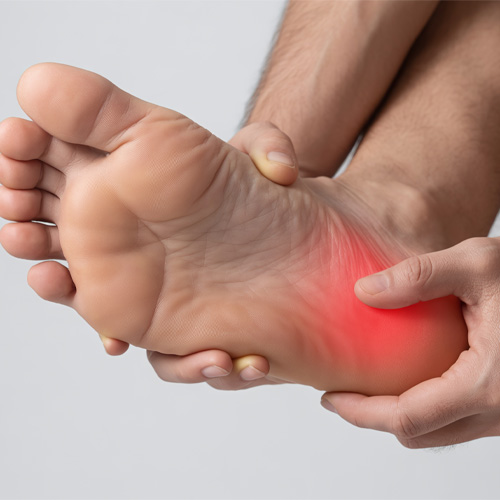
How Do I Know It’s Plantar Fasciitis?
Many injuries can cause foot pain, from ankle sprains to tiny stress fractures. That’s why it’s important to pay attention to the location and sensation of your foot pain, as well as any mobility issues. To help you understand the signs and symptoms of plantar fasciitis, let’s look at an example case.
Sarah had recently taken up running after several years away. She loved going out every morning and jogging around her neighborhood. But after a few weeks, she started to experience discomfort on the bottom of her foot whenever she went for a run.
The pain usually started as a sharp, stabbing pain on the bottom of her heel, but she also noticed that the arch of her foot felt tender and restricted.
After experiencing the pain for the first time, she started to notice it more frequently, and not just after her runs, either:
- First thing in the morning, when she got out of bed
- While standing in a long line at the grocery store
- While spending a day walking around an amusement park
- After watching a long movie in the theater
When Sarah eventually visited a physical therapist to seek treatment for her foot pain, she made sure to carefully lay out all the times she experienced pain (and all the times she didn’t; Sarah noticed the pain tended to fade around mid-morning, then flare up in the evening). That, along with her detailed explanation of the pain’s location, helped her PT correctly identify her pain as plantar fasciitis.
Physical Therapy: Frontline Treatment for Plantar Fasciitis
The South Sherbrook Therapy team’s knowledge of your body’s musculoskeletal systems means we can help you treat plantar fasciitis without invasive treatment methods (like surgery). While rehabilitation might take some time (usually a few weeks to a few months), you can resolve your pain through targeted foot exercises.
Here’s what you can expect when you visit us:
A thorough evaluation:
Besides reviewing your symptoms, we’ll conduct a comprehensive gait assessment and other movement screens to help us identify any biomechanical factors that might contribute to your plantar fasciitis.
Pain management:
We’ll help manage your acute pain through hands-on manual therapy techniques, foot taping, and other drug-free approaches.
Therapeutic exercise:
Stretching and strengthening exercises will help resolve your current bout of plantar fasciitis. We’ll provide you with a tailored exercise program, including simple exercises you can do at home to help maximize your recovery.
Prevention tips:
Plantar fasciitis is usually an overuse injury, meaning it develops gradually over time. A frequent cause of plantar fasciitis is starting an intense new workout program (as Sarah did). Faulty gait mechanics and other lifestyle factors can contribute to it as well. We’ll provide you with customized advice and strategies for avoiding future incidents of plantar fasciitis.
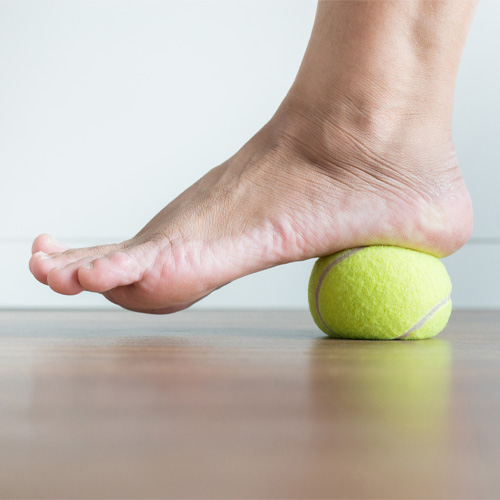
Got Foot Pain? Call Us Today!
If you’re experiencing foot discomfort or immobility, your best bet is to call the team at South Sherbrook Therapy and schedule an initial consultation. Be prepared to discuss your symptoms in detail–and to receive a customized treatment program that will have you feeling footloose and fancy-free in no time!
December Word Scramble
vegnreree
wannsmo
rewtah
ircfapeel
eslhgi
ilodyha
Answer Key
evergreen
snowman
wreath
fireplace
sleigh
holiday

How Hip-Strengthening Exercises Can Help Alleviate Knee Pain
You may be surprised to know that the functioning of our knees is directly linked to the strength and stability of our hip muscles. Our hip muscles play a vital role in maintaining the alignment and stability of the knee joint.
Hip-strengthening exercises enhance the knee’s support system, helping evenly distribute the forces that travel through it during daily activities. A strong hip musculature can help prevent the knee from adopting faulty movements and positions, often leading to pain.
Hip exercises can also help improve posture and alignment, which is vital in preventing knee strain and subsequent pain. At South Sherbrook Therapy, we’ll guide you in adopting these exercises into your daily routine, a step towards a life marked by greater mobility and less pain.
Seeking Guidance at South Sherbrook Therapy
At South Sherbrook Therapy, we’ll guide you through the exercises that ensure you reap the maximum benefits while maintaining safety and efficiency. Our approach is always holistic, emphasizing the role of the hips as crucial players in alleviating knee pain and facilitating overall health and well-being.
Here are some highly effective hip-strengthening exercises that have been shown to lessen knee pain:
- Hip Bridges: The bridge focuses on enhancing the strength of the hip extensors (buttock muscles) to help provide better support to the knee structure.
- Clamshells: This exercise is effective in strengthening the hip abductor muscles. By lying on your side and opening and closing your legs like a clamshell, you work on the muscles that are essential in maintaining knee alignment.
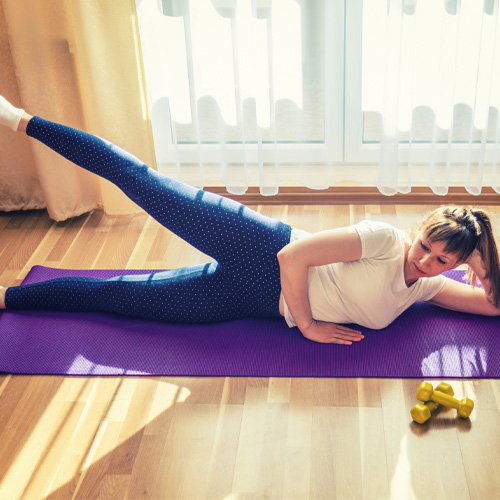
- Side-Lying Hip Abductions: This exercise is a powerhouse in bolstering the hip muscles, primarily targeting the gluteus medius. This vital muscle aids in stabilizing the hips and knees. Engaging in this exercise can be a game-changer in alleviating knee pain.
- Quadruped Hip Extensions: Another fantastic exercise that strengthens the hip muscles and promotes a stable core, creating a well-balanced support system for your knees.
These hip-strengthening exercises can provide stability and support to the knee, potentially reducing the strain and consequent pain.


Taking the Next Step
Remember, the journey to wellness is an ongoing process, and we are here to walk with you every step of the way. Ready to take a step towards a brighter, pain-free future? Call South Sherbrook Therapy today to get started!
Exercise of the Month
ANKLE ALPHABETS
Start by sitting up straight in a chair. Raise one leg out in front of you. Slowly write the letters of the alphabet with your foot, only moving at your ankle joint.
3 Sets, 10 Reps. (Materials needed: chair)

Thank You For Subscribing!

Celebrate the season with this refreshing Cranberry Sparklers Mocktail, bursting with festive flavor and fizzy fun. It’s the perfect guilt-free way to toast any occasion and delight your taste buds!
Enjoy This Seasonal Healthy Recipe!
Cranberry Sparklers Mocktail
- 1 cup cranberries (thawed if frozen), plus more for garnish
- 1/4 cup sugar
- 1/2 teaspoon orange bitters
- 1 750-ml bottle sparkling non-alcoholic dry wine, chilled
- Seltzer, chilled, for topping
Muddle the cranberries with the sugar in a small bowl until the cranberries are in small bits and the sugar is dissolved. Strain into a large liquid measuring cup and stir in the bitters. (This can be done a day ahead; cover and refrigerate.)
For each drink, add 1 ounce of the cranberry mixture to a glass filled with ice. Top with about 4 ounces sparkling wine and a splash of seltzer. Garnish with cranberries.