Health Blog
Your Guide to Post-Operative Physiotherapy
Support Healing With Post-Operative Physiotherapy
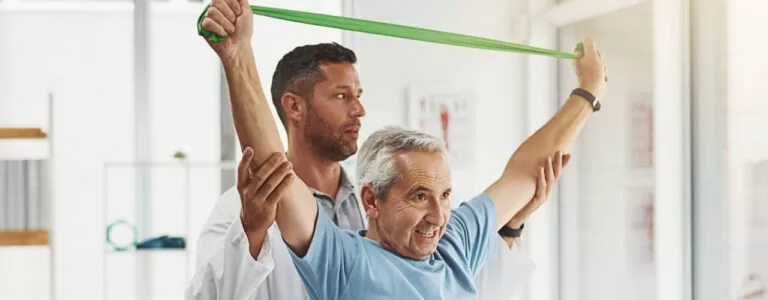
We understand that the decision to have surgery can be a bit nerve-wracking. There’s a lot of detailed preparation leading up to the big day, but what about when you leave the hospital? Knowing what to expect as you heal can help you shake off the pre-surgery jitters. In this blog post, we’ll explore ways post-operative physiotherapy can help you ace your post-op routine with confidence.
Read full blogAccelerate Healing: Physiotherapy Techniques for Post-Injury Recovery

Recovering from an injury can feel overwhelming, but with the right guidance, you can accelerate your progress and return to activity safely. Physiotherapy plays a crucial role in recovery by addressing pain, restoring movement, and rebuilding strength. At , we specialize in personalized physiotherapy for post-injury recovery, tailoring every treatment plan to meet the unique needs of each patient. By focusing on proactive, evidence-based care, we help you confidently move forward.
The Science of Healing: How Injuries Recover
Understanding how your body heals after an injury can provide clarity and focus during the recovery process.
The Three Stages of Healing
Inflammation
- This is the body’s initial response to injury, marked by swelling, redness, and pain.
Treating Shoulder Pain from Sports Injuries with Physiotherapy
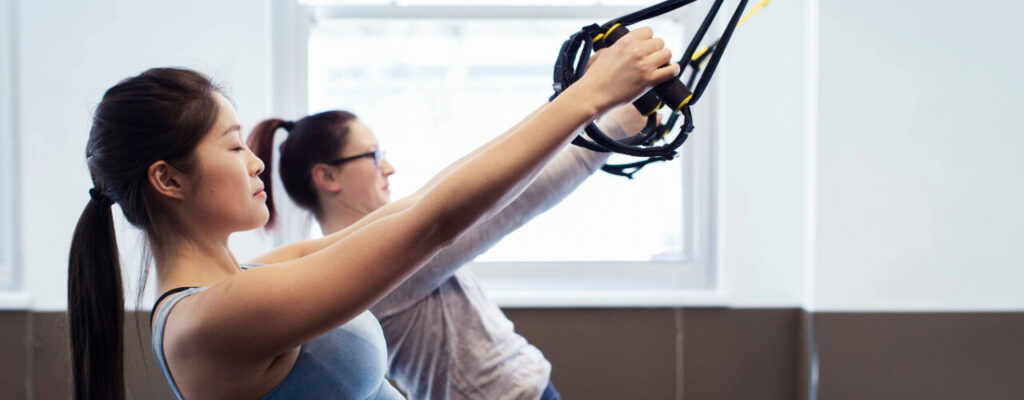
Sports can push the body to its limits, especially for athletes like swimmers, who rely on their shoulders for nearly every movement. The repetitive nature of swimming strokes makes the shoulder joint prone to overuse injuries, often leading to pain and reduced performance. For swimmers dealing with physiotherapy for shoulder sports injuries, the goal is to reduce pain, restore function, and prevent future setbacks.
At , physiotherapy provides athletes with personalized care to address and recover from injuries.
Read full blogRegaining Range of Motion After Surgery
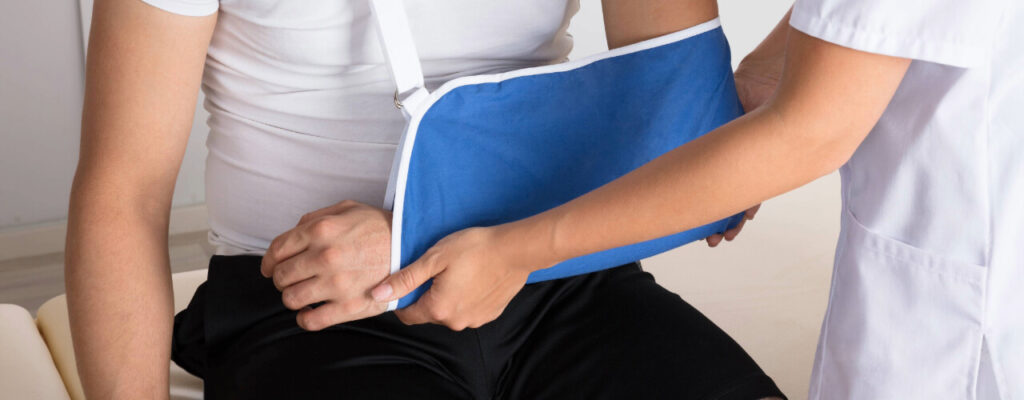
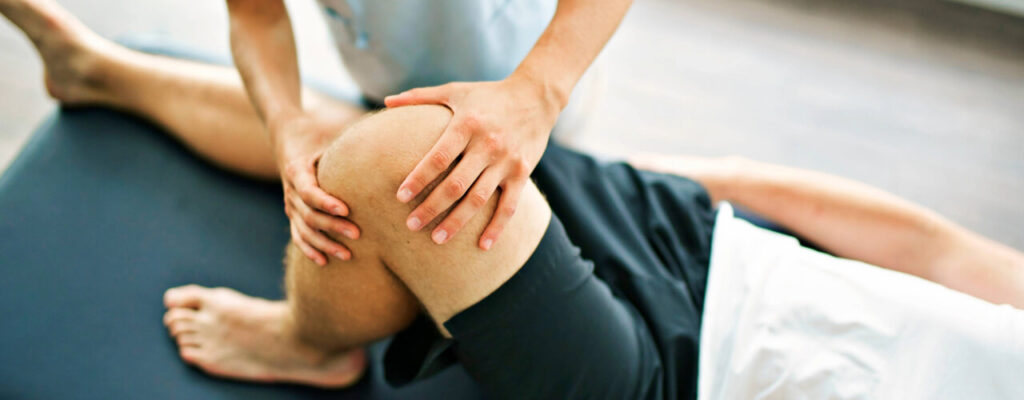
Restore your mobility after surgery! Regaining post-surgery range of motion is essential for returning to your daily activities and enjoying life without limitations. Understanding specific exercises, stretches, and techniques can help you safely increase your range of motion and achieve a full recovery.
Understanding Post-Surgery Range of Motion
It’s common to experience stiffness, pain, and limited mobility after surgery. These issues can significantly impact your quality of life, making it challenging to perform everyday tasks.
Read full blogUnderstanding the Causes of Knee Pain

We recently saw a patient in his 20s who was struggling with knee pain whenever he went for his morning jog. While the pain wasn’t severe, it was bad enough that jogging had lost some appeal. He also wanted to make sure it wasn’t something serious. Fortunately, the team–with its in-depth knowledge of knee pain causes–was able to help him.
We performed a comprehensive assessment, talking to the patient about his health history and symptoms.
Read full blogThe Benefits of Physiotherapy for Everyday Wellness

Physiotherapy is often associated with injury recovery, but its benefits go far beyond that. This versatile field supports overall health, helping people of all ages and activity levels enhance their daily lives. Whether you’re managing a chronic condition, staying active, or addressing aches and pains, our team offers tools and techniques to improve how your body functions.
At , we specialize in personalized physiotherapy plans that focus on your unique wellness goals, empowering you to live a healthy life.
Read full blogPhysiotherapy Can Help with Golfer’s Elbow

You’ve been hitting the local golf courses for weeks–but the game isn’t what it used to be. Every time you swing your club, pain sparks on the inside of the elbow. You’ve likely developed medial epicondylitis, although it’s more commonly known by another name: golfer’s elbow. Fortunately, physiotherapy for golfer’s elbow can help you find relief!
Golfer’s elbow is a common condition. It’s typically caused by repetitive motions that strain the tendons, such as swinging your golf club, but golfers aren’t the only ones who can develop it.
Read full blogPhysiotherapy Techniques for Managing Osteoarthritis
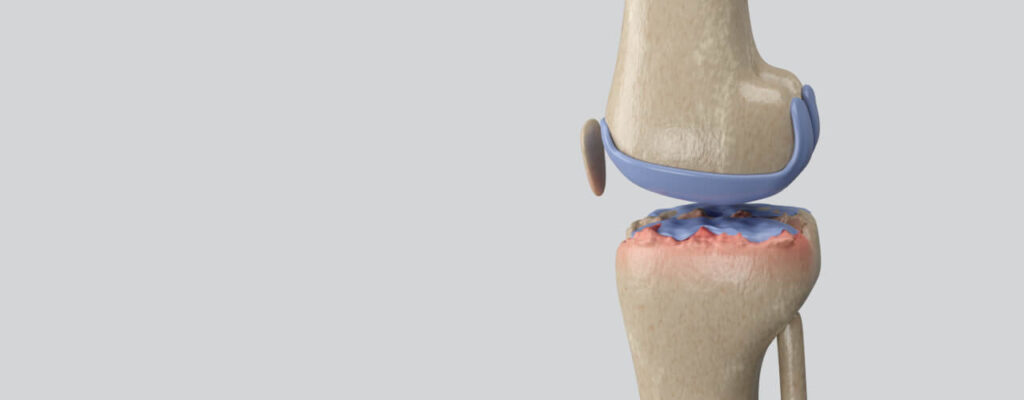
Osteoarthritis is a degenerative joint condition that commonly affects the knees, hips, hands, and spine. It occurs when the cartilage cushioning the joints breaks down, leading to pain, stiffness, and reduced mobility. This condition can make everyday activities like walking, climbing stairs, or even gripping objects more difficult. For those managing this condition, physiotherapy for osteoarthritis offers a proven approach to reduce symptoms, improve joint function, and maintain an active lifestyle.
For individuals living with osteoarthritis, physiotherapy at offers an effective way to manage symptoms and improve overall joint function.
How Physiotherapy Supports Osteoarthritis Management
Physiotherapy plays a vital role in addressing the challenges of osteoarthritis by focusing on long-term improvements rather than temporary fixes.
How We Can Help Manage Osteoarthritis
Improving Joint Mobility
- Stiff joints are a hallmark of osteoarthritis.
Pain Management After Surgery with Physiotherapy
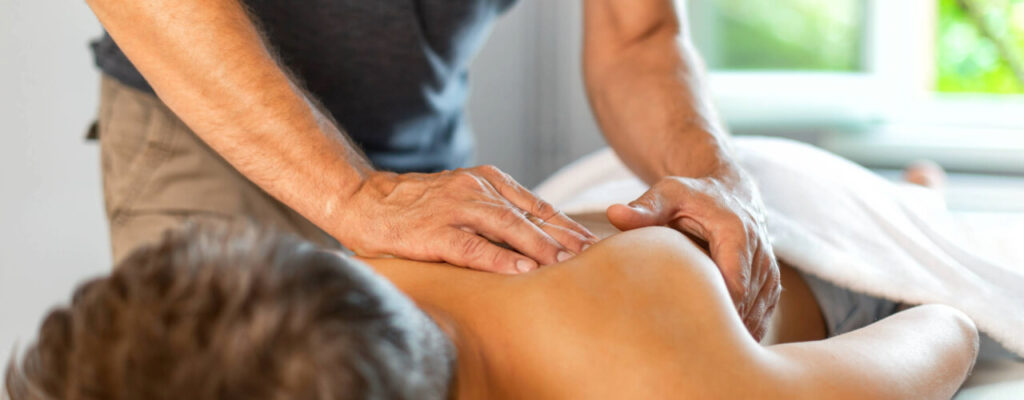
After surgery, pain is often one of the biggest obstacles to recovery. While it’s a natural part of the healing process, unmanaged pain can hinder progress, limit mobility, and prolong rehabilitation. Finding a safe and effective way to manage pain is critical for a smooth recovery and long-term success. Physiotherapy offers a proactive approach to pain management post-surgery, helping patients reduce discomfort, regain movement, and rebuild strength.
At , our personalized physiotherapy programs provide patients with the tools and techniques they need to recover confidently and comfortably.
Read full blogStay Active: Effective Practices for Knee Injury Prevention
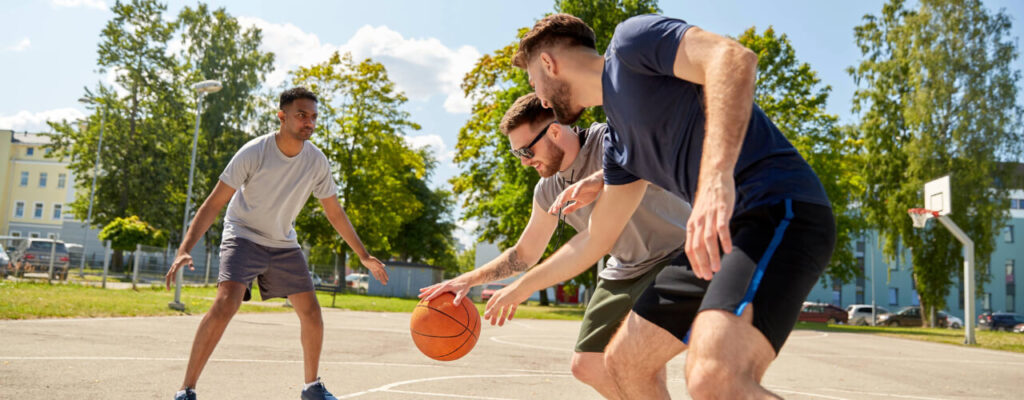
Your knees are pivotal in nearly every movement you make, from walking and running to jumping and climbing stairs. They support your body’s weight while enabling flexibility and mobility. Yet, because of their essential role, knees are highly susceptible to injury. That’s why knee injury prevention is so important. Taking proactive steps can help keep your knees strong and stable, ensuring you stay active without unnecessary setbacks.
Common Causes of Knee Injuries
Understanding why knee injuries happen is the first step in knee injury prevention.
Read full blog