


Does Stress Cause Neck Pain?
Does stress cause neck pain? The short answer is no! At South Sherbrook Therapy, we like to say “contributes to” instead of “cause.” The casual way healthcare professionals throw around terms can lead to confusion and, worse still, ineffective treatment. Fortunately, our highly skilled therapists know how to dig deep and find the root cause of your neck pain, and this information helps you find relief!
Let’s discuss Nicole, a 40-something-year-old working mother of three. Nicole was used to being very active, balancing her work schedule with getting her kids to all the various activities and school functions that come with being a mom nowadays.
Her neck pain first started as a crick in the neck when she woke up one morning. As the day progressed from driving her kids around to sitting at her desk, she noticed turning her head became more difficult and painful, making focusing on work nearly impossible.
Nicole struggled to figure out why her neck started hurting and came to the conclusion that stress “must be” the culprit. The more pain and difficulty moving she had, the more convinced she was that stress was to blame.

Understanding Nicole’s Neck Pain
One of the most common things we hear from our patients is that their pain started for “no apparent reason.” Like Nicole, people will wake up with a crick in their neck or notice a stiffness turning when driving in the car. It is also common for people to notice tightness in their upper back and neck after a long day.
So, what is actually the source of the pain? In most cases, there is an issue with the neck joints or the neck muscles due to prolonged positions. Our neck joints don’t like remaining in any position for extended periods. In Nicole’s case, she first noticed her pain in the morning, which may have been related to her neck position while sleeping. It is also important to note that in Nicole’s case, the first sign of any issue was in the morning when she woke up, unrelated to stress.
As Nicole’s day progressed, her pain got worse. But this also was more likely related to how she held her neck while driving or sitting at her computer. In both cases, her posture, specifically how she held her neck, seems to have contributed to her pain. Prolonged sitting can lead to a forward head position, resulting in tension to soft tissue (i.e., muscles, tendons, and ligaments) or negative changes to our blood flow.
The muscles of our neck function best when we move them. So, holding her head in one position likely led to irritation of the muscles and affected her ability to move her neck, which in turn caused stress.
Stress “contributes” to neck pain because, when we experience stress, our bodies naturally respond by tensing up as a protective measure. This tension can lead to discomfort, particularly in the neck and upper back region. Research studies have found that individuals with higher stress levels reported increased neck pain as compared to those with lower stress levels. This is why we say “contributes” to, but not the cause of, neck pain.
How Physiotherapy Can Help Alleviate Neck Pain
We will target the source of your pain by performing a thorough examination, starting with your medical history and details about how, when, and where your symptoms began. As we saw with Nicole, determining how, when, and why the pain started helps us eliminate possibilities and get to the actual root cause(s).
Our therapists will also analyze your posture and movement to identify any limitations or restrictions contributing to your condition. We’ll use this information to design a program that addresses your specific needs.
Our treatment plans focus on relieving your pain and improving your posture, mobility, strength, etc., and educating you about managing your symptoms. Your program will likely include manual therapy (i.e., soft tissue work and/or joint mobilizations), targeted stretches, exercises, activity modification, or posture recommendations.
We’ll listen to your unique situation and specific issues and then work to help you find relief and get back to your normal routine.

Book Your Appointment Today!
If you’re dealing with neck pain or looking for someone to help you figure out what is causing your issues, call us today and set up a consultation!

Get Moving Again with Physiotherapy!
At South Sherbrook Therapy, we’re committed to helping you feel your best—whether you’ve been here before or it’s been a while! If you’re experiencing pain, discomfort, or simply want to get back to doing what you love, now is the perfect time to return. Book your physiotherapy appointment today and let us help you continue your journey to better health and wellness!
“Amazing experience at this clinic. Friendly, helpful and knowledgeable folks. I saw Jason (athletic therapist) for a problem with my SI joint and am amazed at how quickly he was able to get me mobile and almost pain free. I’ve seen physiotherapists for the same injury before and it’s taken weeks, sometimes months of therapy to get to this point. In under a week (3 sessions) I feel great! Most highly recommended!“
-Tracy Z.

Feel Better by Eating Better!
Slow-Cooked Ropa Vieja
• 1 beef flank steak (2 pounds)
• 1/2 tsp salt
• 1/2 tsp pepper
• 2 cups beef broth
• 1/2 cup dry vermouth
• 1/2 cup dry red wine/additional beef broth
• 1 can (6 oz) tomato paste
• 1 large onion, thinly sliced
• 1 large carrot, sliced
• 1 small sweet red pepper, thinly sliced
• 1 Cubanelle or mild banana pepper, thinly sliced
• 3 sprigs fresh oregano
• Hot cooked rice
Directions:
Cut steak into 6 pieces; sprinkle with salt and pepper. Heat a large skillet over medium-high heat; brown meat in batches. Transfer meat to a 5- or 6-qt. slow cooker. Add broth, vermouth, wine and tomato paste to pan. Cook 2-3 minutes, stirring to loosen browned bits from pan. Pour over meat. Top with onion, carrot, red pepper, Cubanelle pepper and oregano. Cook, covered, on low until meat is tender, 8-10 hours. Remove oregano sprigs; discard. Remove meat; shred with 2 forks. Return to slow cooker; heat through. Serve with rice and, if desired, additional oregano, lime wedges and green olives.
5 Healthy
Eating Resolutions

What’s your New Year’s resolution this January? Many individuals choose the New Year as a perfect time to start getting healthier and improving their diet. If this is your resolution, stick around to discover 5 ways you can eat healthier.
1. Drink more water
Drinking water is one of the most essential actions you can take to improve your short and long-term health. Dehydration can affect concentration, alertness, short-term memory, and can cause fatigue. Drinking enough water each day also helps support your kidney health and your physical performance. The benefits go on and on!
2. Eat more Omega-3s
Increasing your intake of omega-3 fatty acid-rich foods may help you maintain a healthy blood pressure. According to research, omega-3 fatty acids can help improve your mood, which is something we all need during the short, dark days of winter.
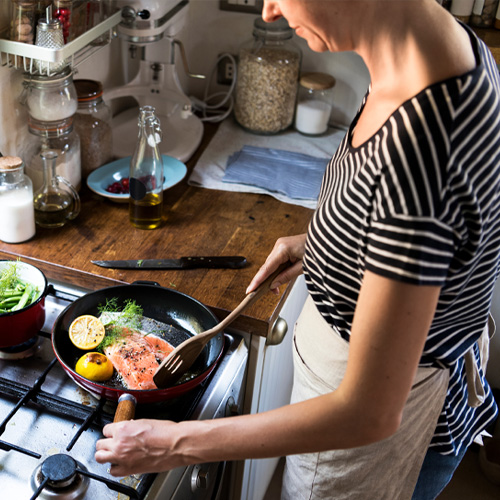
Aim for two servings of fish per week, preferably fatty fish like salmon, sardines, and some types of tuna high in omega-3s. Not a fan of fish? Choose walnuts and flax as good non-fish sources of omega-3s.
3. Substitute meat with tofu
Did you know that restricting your meat intake is good for the environment and your heart? When you substitute soy for meat, you will naturally consume less saturated fat. While tofu lacks authentic flavor, this is what makes it so versatile—it absorbs the flavors of a stir-fry sauce or marinade like a sponge, making it taste fantastic!
4. Cut back on salt
Excessive salt consumption can raise blood pressure, a significant risk factor for heart disease and stroke. Watch how much salt you add to your food and avoid high salt snacks– like potato chips.
5. Limit your sugar intake
Too much sugar is not only bad for our teeth, but it also increases the risk of unhealthy weight gain and obesity, which can lead to severe and long-term health issues. Instead of selecting sugary drinks, opt for cool refreshing water. You can also replace sweets and candy with healthy snacks, like carrots and hummus.