



The Importance of a Good Fall Prevention Plan
Did you know that falls are among the biggest risks to older adults? As we age, we go through several physical, cognitive, and sensory changes that can significantly impact our balance. An impaired balance means a higher chance of falling–and a higher chance of falling makes it more likely that you might suffer a severe injury.
Fortunately, there are several things you can do to improve your balance, no matter your age. At South Sherbrook Therapy, we offer dedicated fall prevention plans to address your fall-related risk factors. We’ll help you improve your strength, balance, and stability to stay healthy and active throughout your golden years!
To illustrate just how important a good fall prevention plan is, we want to share the stories of two patients, whom we’ll call Janice and Carol. Janice underwent a dedicated fall prevention plan; Carol didn’t.
You can also call us if you’d like more personalized information!
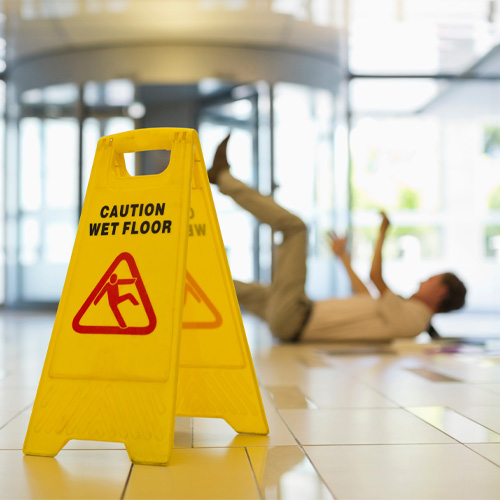
Carol’s Story: Shaken Confidence and One Bad Injury
Carol was 68 when she first visited us. Although she’d been fairly active when she was younger, she developed knee osteoarthritis in her early 60s, which led to her becoming much more sedentary. Her pain and restricted mobility caused her to fall and break her hip, and she worked with us on her rehabilitation.
We were understandably concerned about Carol’s fall risk, as she met several of the criteria:
- A history of falls (falling once doubles the likelihood that you’ll fall again)
- Weak legs and core
- Knee pain and impaired gait from osteoarthritis
Unfortunately, Carol’s insurance limited how frequently she could see a physical therapist, and rehabilitating her hip injury was her primary concern. While we did work with her to restore her strength and balance to where it was before her injury, she ran out of sessions before we could develop it further.
However, perhaps the biggest issue for Carol was that her fall and subsequent injury really shook her confidence. While she felt safe performing exercises in our clinic, she worried about performing them at home, fretting that she would injure herself–or worse, fall again. As a result, she sank back into her sedentary lifestyle, which only worsened her arthritis symptoms and made it more likely that she would fall again.
If we’d been able to continue working with Carol, we could have improved her physical balance and helped build her confidence, too. How do we know this? Because it’s what happened with Janice.

Janice’s Story: Dedicated Fall Prevention to the Rescue
Janice’s background is strikingly similar to Carol’s. She was a little older when she developed osteoarthritis (late 60s), and she suffered her big fall when she was 73. Again, she initially visited us so we could help rehabilitate her after her injury.
Like Carol, Janice’s confidence was shattered by her fall. However, she noticed that working with us made her feel more confident in exercising and being generally active. After she finished her rehabilitation, she indicated she would like to continue with physical therapy. We were delighted to oblige!
We immediately suggested that Janice focus on a dedicated fall prevention plan, and we created a customized program that addressed her specific needs:
- Pain management helped control her osteoarthritis pain so she could work through her exercises.
- We continued the strength training program we had developed for her rehabilitation to restore strength throughout her lower body and core–crucial muscles in controlling balance.
- Focused balance training targeted the skills she needed most. We started her off with exercises that challenged her balance without putting her at risk, then increased the intensity as she improved (and Janice loved seeing her progress).
- Through gait training, we helped Janice improve her walking pattern, which had become impaired due to her OA pain. An improved gait helped her increase her overall mobility.
By the end of her program, Janice no longer feared falling the way she had before. In fact, she even enrolled in a local Tai Chi class to continue working on her strength and balance in a fun, supportive environment.
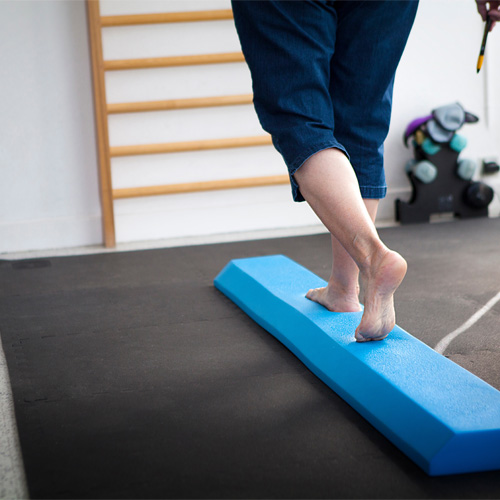
Can Balance Training Help You?
If you’re an older adult with multiple fall risk factors, a fall prevention program at South Sherbrook Therapy is the key to staying healthy and active. Call us today to learn more!

Haunted by Joint Pain? Call Your Local Physiotherapist!
October 1st marks the start of spooky season, and if you notice some mysterious aches and pains as you’re hanging up decorations or designing the perfect Halloween costume, don’t get spooked. Call the physiotherapists at South Sherbrook Therapy instead.
Physiotherapy focuses on helping you find relief through movement. As physiotherapists, we’re experts in your body’s musculoskeletal system and understand how a seemingly minor issue can cause significant pain.
Through a blend of different techniques, including manual therapy, therapeutic exercise, patient education, and more, we’ll help you find relief from joint pain so you can live an active, healthy lifestyle all year long.
This October, don’t let pain haunt your days—make time to care for your health so you can enjoy the season to the fullest.
Three Ways to Celebrate the Spooky Season… Physio-Style
- Do the Monster Mash. Dancing is a great way to get more movement in, and “The Monster Mash” is a classic of the season. Regular exercise has a host of benefits, from reducing your risk of chronic diseases to improving your mood. Not sure how to get started? Our team can help you find an exercise program that suits your needs and abilities.
- Call the Exercist. If persistent pain has you feeling like someone else, our “exercists” can help exorcize your pain with a customized treatment program. Hands-on manual therapy techniques offer acute pain relief and improved mobility, and a therapeutic exercise program will help restore strength and functionality in the impacted areas.
- Prepare for the Zombie Apocalypse. When the dead rise, the last thing you want is to injure yourself as you make your escape. Our physiotherapists can perform a comprehensive evaluation to alert you to any muscular weakness or imbalances that might lead to injury. Then, we’ll walk you through a plan to correct them so you can fight zombies (and face other daily challenges) without fear.
Get Spooky and Healthy This October with Physiotherapy!
The team at South Sherbrook Therapy wants to help you live an active, independent lifestyle free of pain and other physical impairments. To learn more about the role physiotherapy plays in managing pain, reducing injury, and keeping you healthy, schedule an appointment with us today!
October Word Scramble
dancy
nlhealeow
mkpupin
rwcrcesao
ealevs
dierc
Answer Key
candy
halloween
pumpkin
scarecrow
leaves
cider
Exercise of the Month
ONE LEG BALANCE (NO SUPPORT)
Slowly lift your uninjured leg upward behind you so that your weight lies on the leg with the injured ankle. Hold this position for 20 to 30 seconds and gradually progress to more seconds as you get stronger.
2 Sets, 1 Rep. (Materials needed: chair)
Thank You For Subscribing!

This Delicious Healthy Spinach Dip is the perfect guilt-free snack, packed with flavor and wholesome ingredients. Whether you’re hosting friends or craving a light bite, it’s a tasty way to enjoy a classic favorite.
Enjoy This Seasonal Healthy Recipe!
Delicious Spinach Dip
- 2 x 10 oz packages chopped spinach, frozen
- 1/2 large onion, finely chopped
- 2 large garlic cloves, minced + 1 small garlic clove, grated
- 1 medium carrot, finely grated
- 2 tbsp oil, for frying
- 2 cups Greek or regular plain yogurt, at least 2% fat
- 1/4 cup mayo
- 1 tsp salt
- Ground black pepper, to taste
Defrost spinach in a colander overnight or microwave it. Squeeze out excess water and place in a medium bowl. In a non-stick skillet over medium heat, sauté onion, 2 minced garlic cloves, and carrot in a bit of oil for about 7 minutes. Add to the spinach along with yogurt, mayo, salt, and pepper. Mix well. Grate in more garlic to taste. Chill for a few hours if possible. Serve with pretzel chips or brown rice crackers.


How To Have a Healthy Halloween
Afraid you’ll be dealing with an excess of Halloween treats until long after Valentine’s Day? Here are some ideas for enjoying the evening’s haul responsibly and getting rid of leftover candy:
- Let each child keep enough candy to have one or two pieces a day for one or two weeks ‒ long enough for the excitement to wane. Throw away, donate or repurpose the rest.
- When your child asks for a piece of candy, pair it with a healthy snack: an apple, a banana, some nuts or celery with peanut butter.
- “Buy back” candy from your child with money or tokens they can trade in for a fun activity: a day at the zoo, an afternoon playing at the park, ice skating or a day at the pool.
- Some dentists’ offices have buy-back or trade-in programs, too.
- Save it for holiday baking.
- Save it to fill the piñata at the next birthday celebration or give out with Valentine cards.
- Use it in an arts and crafts project or to decorate a holiday gingerbread house.
- Donate excess candy to a homeless shelter, children’s hospital or care package program for troops overseas. A familiar sweet treat from home can be comforting at the holidays.
- Have no fear – you got this! Let’s make Halloween fun, spooky and a little healthier, too.