



Understanding Herniated Discs (And What To Do About Them)
You start experiencing a sharp, burning pain in your lower back that worsens if you stay in one position too long. You’ve also noticed pain that shoots down your leg and numbness in your foot. You have no idea what’s going on, and the discomfort is starting to negatively affect your quality of life.
Sound familiar?
All those symptoms point to a lumbar herniated disc, a condition that affects the cushiony intervertebral discs located in your spine. Herniated discs are more common than you might think–in fact, you may have developed one without even realizing it, as they don’t always cause symptoms. But when they do cause symptoms, they can be excruciating.
Fortunately, the team at South Sherbrook offers several solutions to help you resolve and prevent herniated discs. Today, we wanted to explore the basics of herniated discs, including their causes, symptoms, and effective treatment techniques. Keep reading to learn more!

What Exactly is a Herniated Disc?
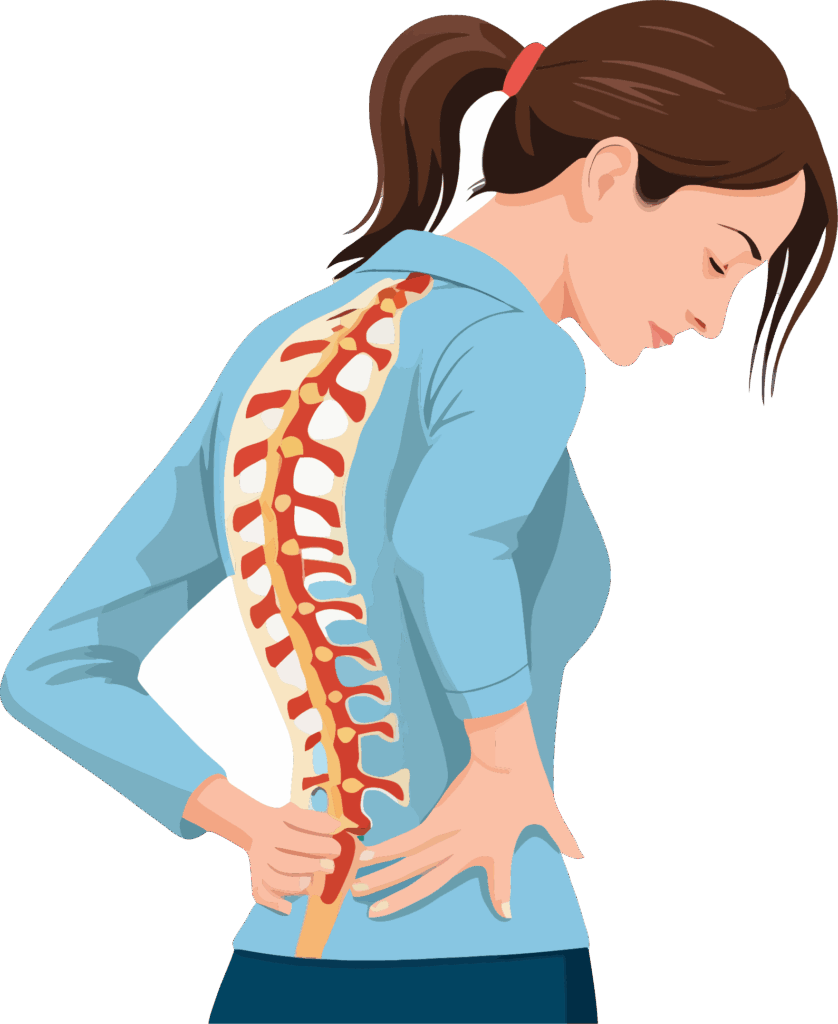
Your spine’s intervertebral discs play an important role in keeping the vertebrae from rubbing against each other. Sometimes, though, those discs can bulge outward or rupture: what’s called a herniated disc. If the damaged disc presses against a nearby nerve root, it causes symptoms.
That’s why many people develop a herniated disc and do not know it–because their herniated disc doesn’t affect any nearby nerve roots. But when a herniated disc does affect a nerve root, here’s what to expect:
- Burning pain
- Pain that radiates into the extremities
- Numbness or tingling that radiates into the extremities
- Weakness
The location of your symptoms can give you a general idea of the location of your herniated disc. While any disc in the spine can herniate, herniated discs typically occur in the neck (cervical spine) or lower back (lumbar spine).
- Cervical herniated discs will cause symptoms through your shoulder, arm, and hand.
- Lumbar herniated discs will cause symptoms through your lower back, buttocks, thigh, lower leg, and foot.
What Causes a Herniated Disc?
There are two main causes for herniated discs, and they may develop due to a blend of factors:
Disc Degeneration
- As we get older, our intervertebral discs naturally start to dry out and become less flexible, making them more likely to tear or rupture, even with relatively minor bends or twists.
Injury
- When a younger person gets a herniated disc, it’s usually the result of an injury related to improper lifting techniques, like twisting as you lift or using your back muscles instead of your legs.
How Can Physiotherapy Help Resolve a Herniated Disc?
The good news is that herniated discs rarely require surgery or other invasive treatment options. Often, symptoms fade on their own. However, physiotherapy can facilitate that process and–more importantly–help prevent future herniated discs!
Our team will perform a comprehensive evaluation in which we review your health history and current symptoms and conduct a detailed physical exam to look for any muscular weaknesses or other issues that might have contributed to your condition. Next, we’ll create a customized treatment program blending various treatment options:
Manual Therapy
- These hands-on techniques, which include spine mobilizations, can help reduce pain and improve spinal function.
Therapeutic Exercises
- We’ll guide you through a customized, targeted exercise program. We’ll start with mobility exercises to regain your range of motion, helping you move without discomfort. Then, we’ll work with you to strengthen your core and back muscles to support your spine and prevent future injury.
Posture and Body Mechanics
- We’ll show you proper posture and movement patterns can significantly reduce pressure on the spine and prevent further disc issues.

Suspect You’ve Got a Herniated Disc? We’re Here to Help!
If you’re struggling with the symptoms of a herniated disc–whether in your neck or lower back–the South Sherbrook team can help you find long-term relief! Schedule an appointment with us today to get started.
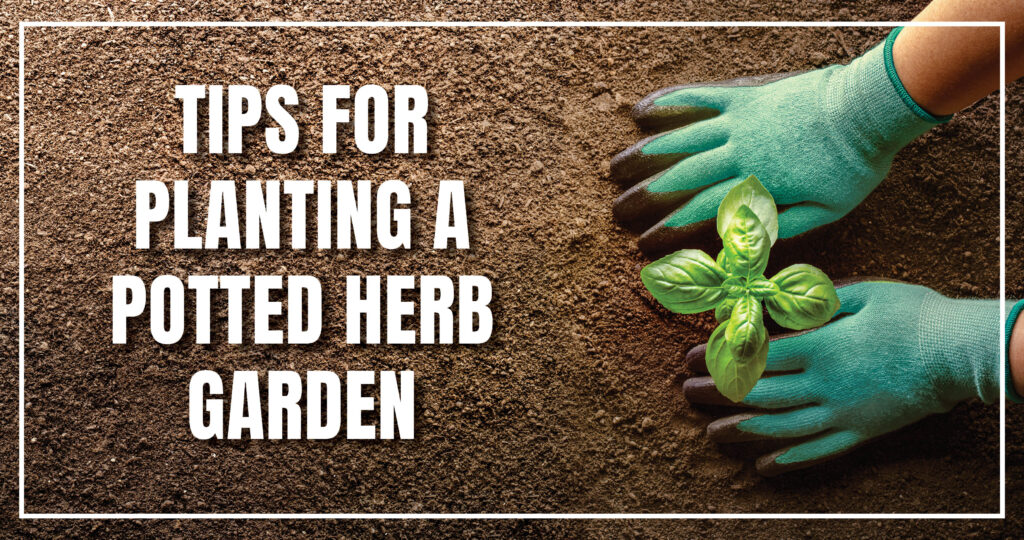
Have you been wanting to get into gardening, but don’t have the yard space? Consider planting a potted herb garden!
Container gardening is easy, convenient, and leaves you with a supply of beautiful fresh herbs. Almost any herb can be grown in a container, so the possibilities are endless!
Here are a few tips and tricks to ensure your potted herb garden is successful this spring:
1. Be mindful of what you plant.
One of the exciting things about a potted herb garden is that you can grow as many different types of herbs as you want in the same container. However, before you start planting, be sure to do some research on the sun, water, and soil requirements of each herb.
For example, rosemary prefers hot and dry conditions, whereas parsley requires consistent moisture. As a result, they would not get along in the same pot.
2. Choose the right container.
As long as it has good drainage, you can use almost anything as an herb container. However, it’s important to be aware that using smaller pots means you need to be extra cautious in how much you water your herbs. Too much or too little water can be especially detrimental to an herb in a small pot.
3. Use high quality soil.
The best way to ensure a healthy start to your container garden is by using high quality soil. Container soil should be lighter in density than traditional garden soil. You can also add organic matter, like perlite or peat moss, to the mixture to improve drainage and moisture retention.
We hope you’re feeling ready to get started on your potted herb garden this spring. Remember to have fun and good luck!
Exercise of the Month
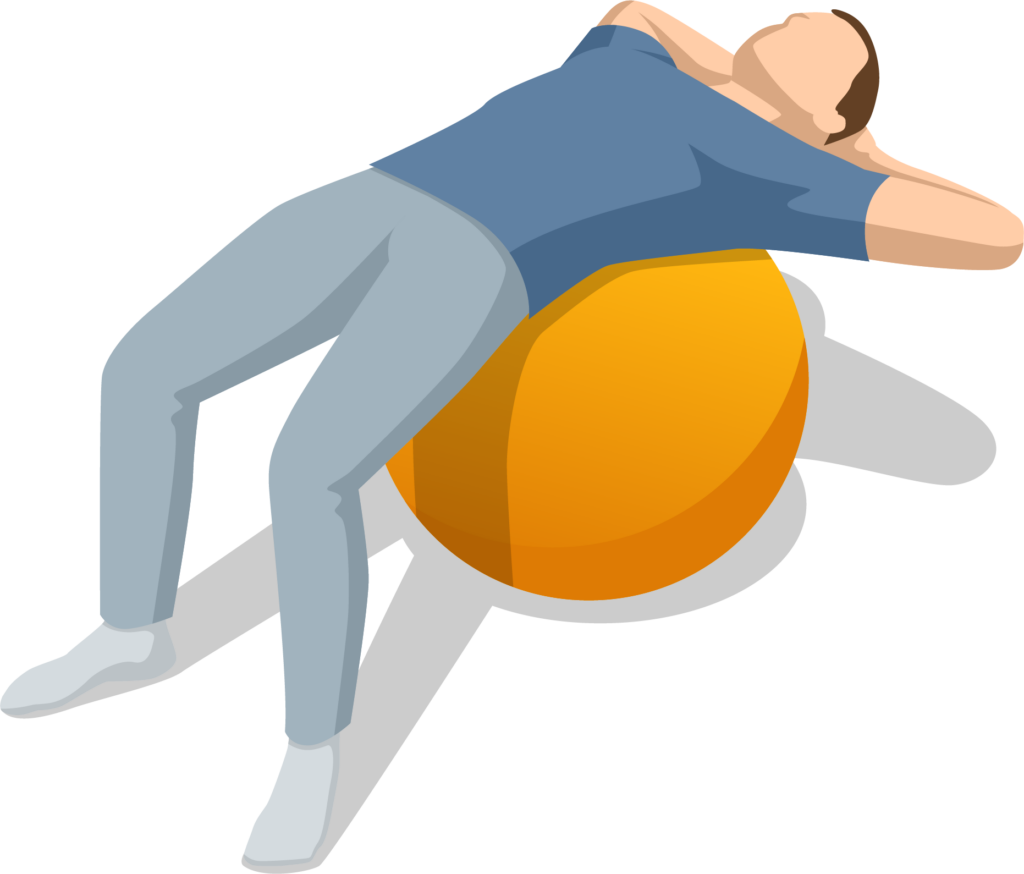
STANDING LUMBAR SELF TRACTION
Stand near a countertop or sturdy surface. Place your hands on the edge and gently lean backward, allowing your spine to decompress. Hold briefly, then return to standing for gentle lower back relief.
Thank You For Subscribing!
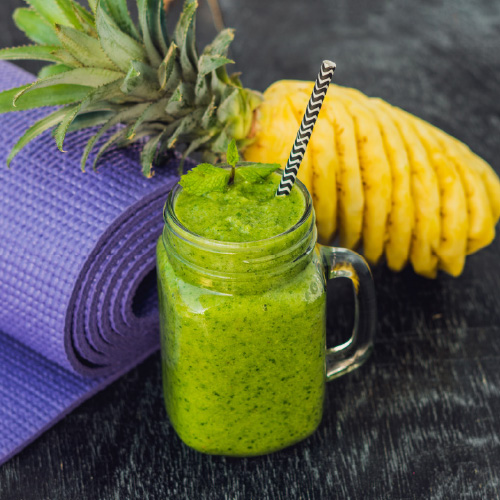
Pineapple Green Smoothie
Ingredients:
- ½ cup unsweetened almond milk
- ⅓ cup nonfat plain Greek yogurt
- 1 cup baby spinach
- 1 cup frozen banana slices (about 1 medium banana)
- ½ cup frozen pineapple chunks
- 1 tablespoon chia seeds
- 1-2 teaspoons pure maple syrup or honey (optional)
Directions:
Add almond milk and yogurt to a blender, then add spinach, banana, pineapple, chia seeds and sweetener (if using); blend until smooth.
May Word Scramble
awelwmrno
gyaubdl
mapdloi
wohessr
efalitsv
rnidarsop
Answer Key
lawnmower
ladybug
diploma
showers
festival
raindrops